A team workshop is not team building.
It produces agreements, with names attached.
Facilitated sessions in which your team names what holds ownership back, and concrete agreements come out of it. Learning by doing, together, on your own cases from that week.
Book a conversation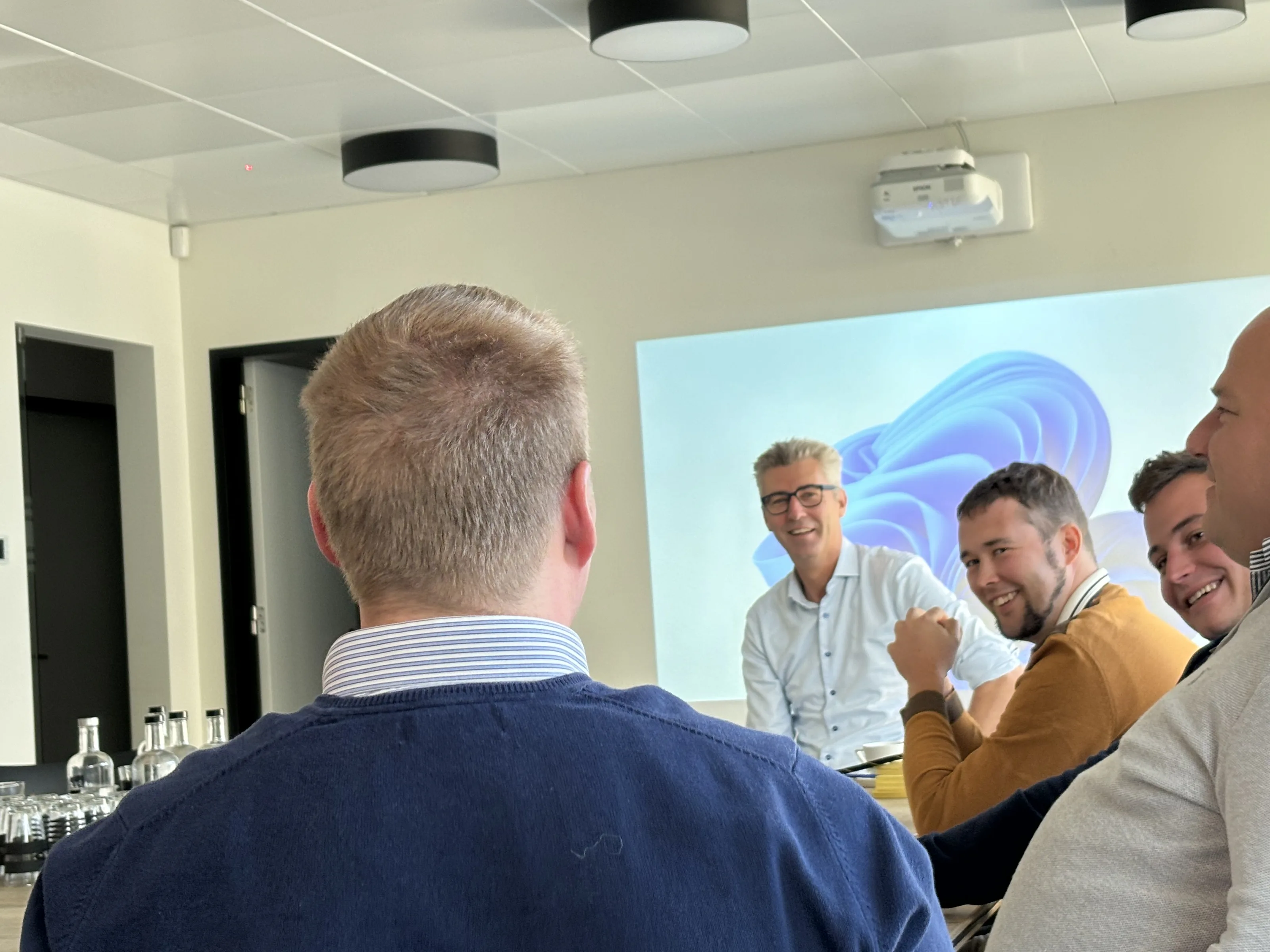
Four things a team
never names by itself.
Not because it isn't allowed, but because nobody breaks the conversation open. Facilitating a team session is first of all asking the question everyone has been thinking for months.
In the team meeting everyone nods. The real conversation happens in the corridor.
That isn't duplicity. It is a team that has learned the meeting room is not the safest place.
The same frustration comes back every month and stays unnamed every month.
What nobody says out loud, nobody can solve. Facilitating a team session mostly means making the unsayable sayable.
After a session nobody knows exactly who is picking up what.
A good afternoon without an owner per agreement stays a good afternoon. It doesn't become more than that.
Two people carry the whole team, the rest look on.
That is rarely laziness. Usually the space has been taken before anyone else can step in.
A collaboration workshop changes nothing as long as there is no name behind each agreement at the end.
That is where most team facilitation falls down. The session is good, the conversation is open, everyone goes home relieved, and three weeks later nothing has happened because nobody was named as owner. So we close every session with a list of agreements, each with one name and one date, and we give that list to the team, not to the manager. Whoever holds the agreements also decides whether they go ahead.
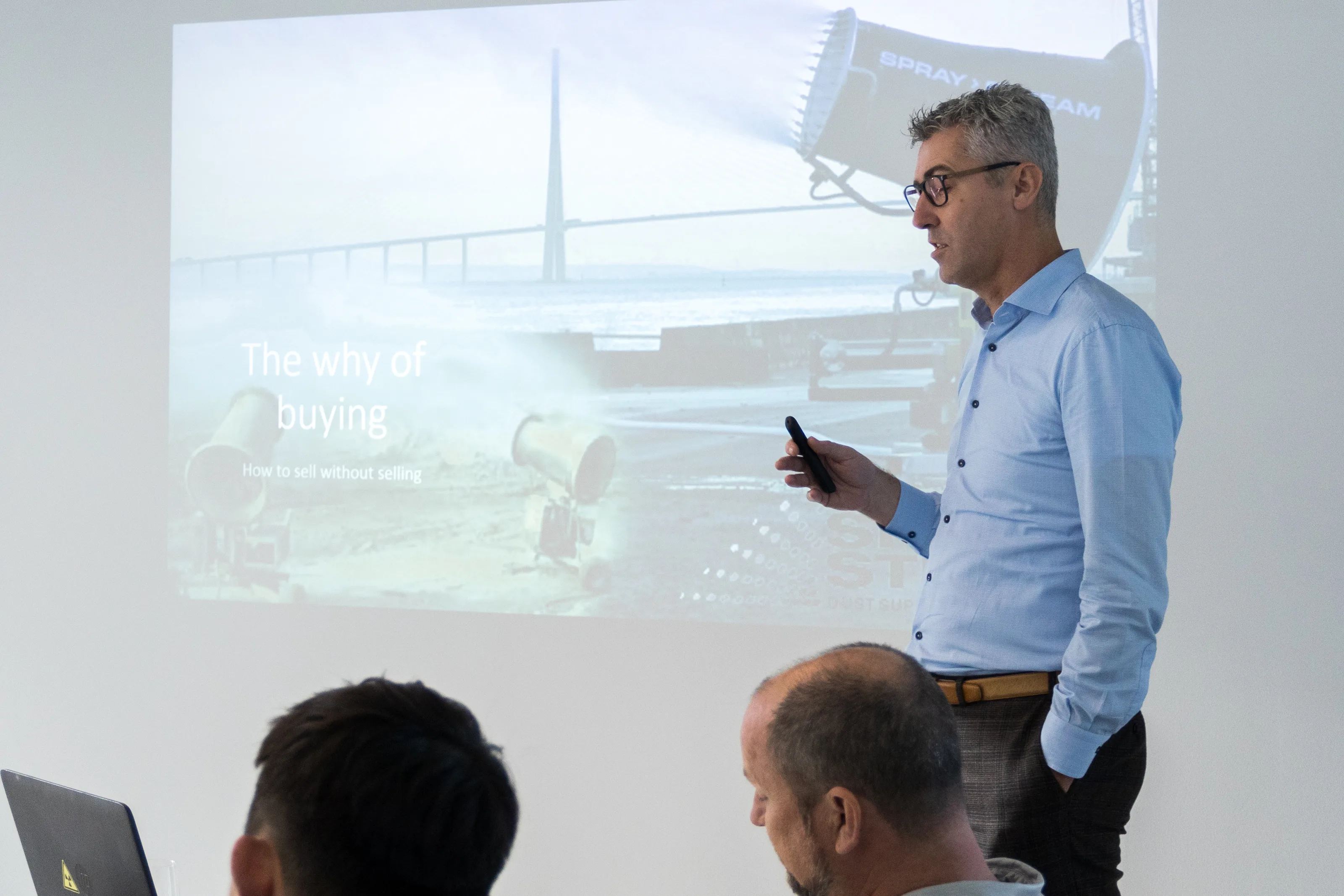
Five themes that build on each other.
You choose where your team stands, and we start there. Every session starts with a short intake with you and ends with agreements that have an owner and a date.
Ownership and responsibility
Where does ownership stop in this team, and why exactly there? We make visible which decisions nobody dares to take and what that costs every week.
Psychological safety and speaking up
Whoever stays silent in the meeting almost always has a good reason. We bring those reasons to the surface and agree what will change.
Autonomy, mastery and purpose
The three sources motivation comes from. We test them one by one against this team's real work, not against a model on a slide.
Feedback culture and continuous learning
This is where it shows whether the first three themes have held. A team that can hold each other to account needs us much less afterwards, and that is the point.
Shared leadership and collective responsibility
What happens when the manager isn't there? We divide ownership concretely, with a name and a date per agreement.
Facilitated team session
Agreed for your team
Follows from the short intake
Experienced facilitators
“My team isn't waiting for a session.”
True. They are waiting for something to change in what holds them back. That is why the session is about that, and not about collaboration styles.
“We did a team building day last year.”
Then you did something fun together. Useful, but different. A team workshop produces agreements that are visible in the work the following week.
“Some people will dominate the conversation.”
That is why we facilitate it. Whoever always speaks gets a role, whoever never speaks gets a moment. That is exactly the craft.
“One session won't change our culture.”
True, and we don't claim it will. One session shifts what can be discussed. If you want to show that more is shifting, it needs a programme around it with a measurement before and after. We say so up front.
What you rightly raise against this.
In many companies workshops have a reputation for being noncommittal. It's deserved. These are the four objections we hear most often, and what we honestly answer.
Book a conversation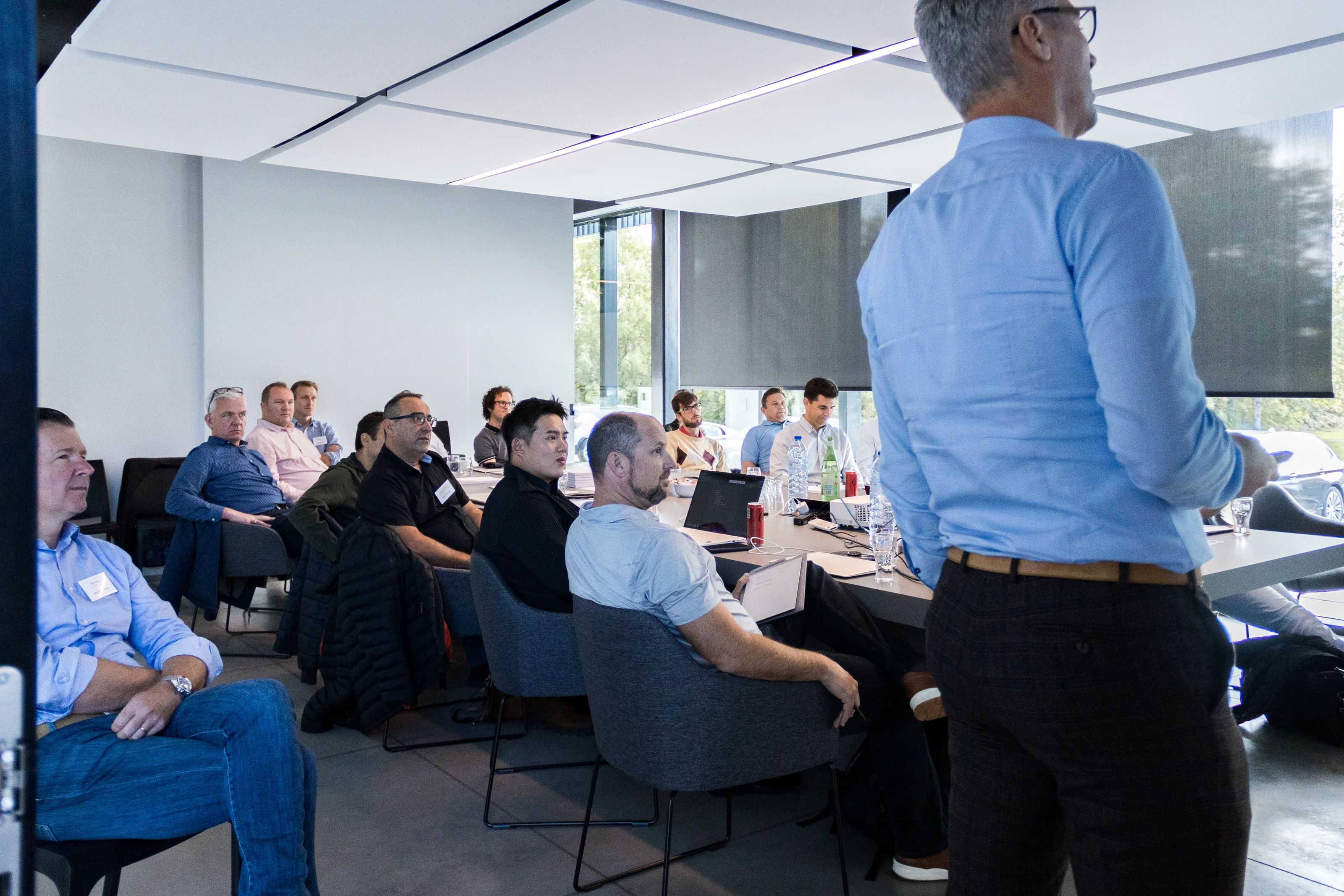
When a team session is the right tool.
Sometimes it isn't. If the bottleneck sits above the team, in a structure where nobody has a mandate, a workshop only moves the frustration around. Then a Company Blueprint is the more honest answer.
Teams that have been stuck on the same discussion for months without ever finishing it
Managers who want their team to hold the conversation instead of holding it themselves
Teams that have to agree again who owns what after a reorganisation
Organisations that want a culture programme to land team by team
Which conversation is your team not having?
Tell us what gets said in the corridor and not in the room. That is where the session starts, and where this conversation starts too.